
Uganda Safari Guides is one of Africa’s most rewarding safari destinations. I say this as someone who has explored its parks, forests, rivers, and remote corners.
In 2026, Uganda stands out for one reason. It offers real wildlife experiences, fewer crowds, and strong conservation values.
This guide explains everything you need to know before planning a Uganda safari.
What Are Uganda Safari Guides?
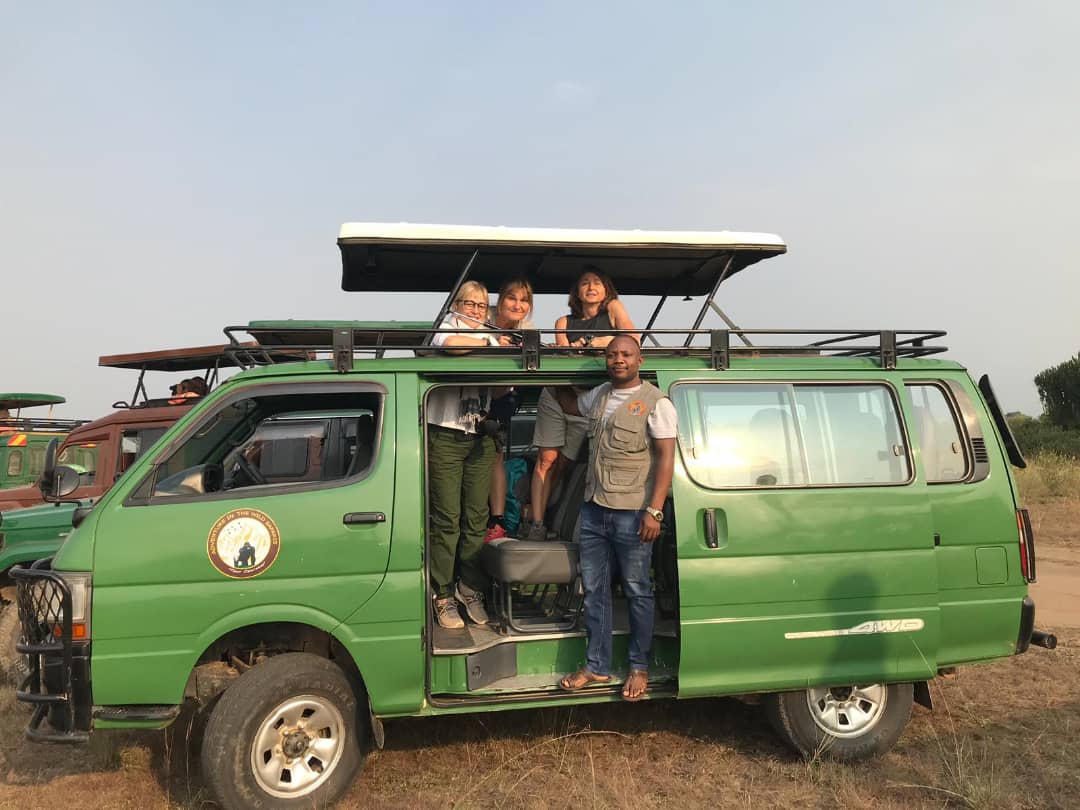
A Uganda Safari Guide is a trained professional who leads travelers through Uganda’s national parks, wildlife reserves, and scenic landscapes. Their main role is to make your safari safe, educational, and unforgettable. Guides are highly knowledgeable about the local wildlife, plants, geography, and culture, ensuring that visitors get the most out of their safari experience.
Key Roles of Uganda Safari Guides
- Wildlife Spotting and Interpretation
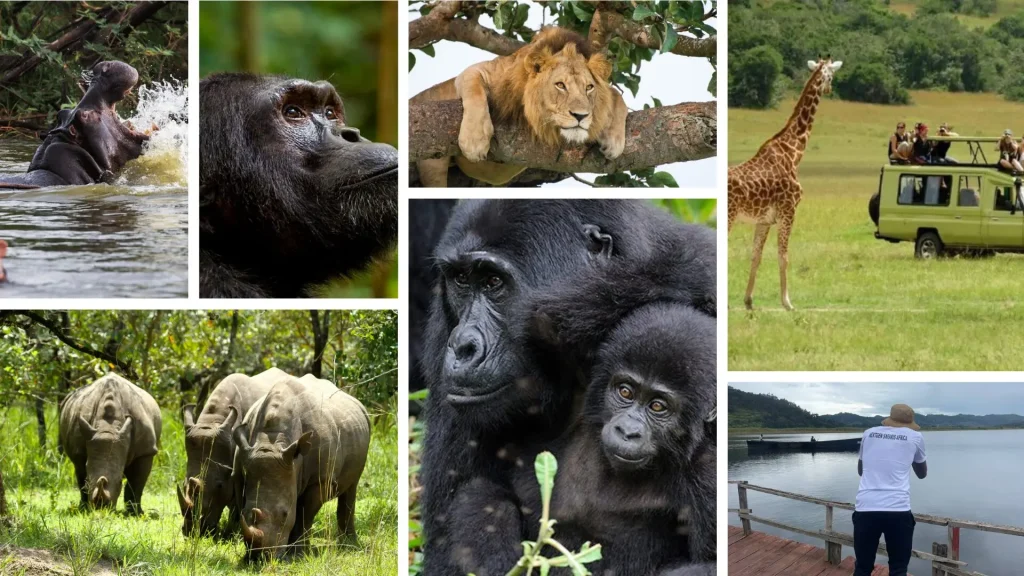
Guides help you locate animals and explain their behavior, habitats, and conservation status. Whether it’s tracking gorillas in Bwindi or spotting tree-climbing lions in Queen Elizabeth National Park, a guide ensures you see the best wildlife safely. - Safety and Navigation
Uganda’s parks are vast and often rugged. Safari guides navigate trails, rivers, and off-road terrain, keeping visitors safe while offering expert advice on hiking, trekking, and vehicle safaris. - Cultural and Local Insights
Guides often introduce travelers to Uganda’s rich culture. They explain local customs, traditions, and community-based tourism projects, helping visitors engage respectfully and meaningfully with local people. - Planning and Logistics
From arranging park permits and transport to coordinating accommodations and activities, safari guides handle the logistics so travelers can enjoy a stress-free adventure. - Conservation Advocacy
Many guides are passionate about protecting wildlife and ecosystems. They educate visitors about responsible tourism, anti-poaching efforts, and the importance of sustainable practices.
Why Having a Uganda Safari Guide Matters
- Expert Knowledge: They know the parks, wildlife, and best times to visit each location.
- Enhanced Experience: Guides provide stories, insights, and tips that transform a simple tour into an unforgettable adventure.
- Safety First: They ensure you stay safe while trekking, driving, or exploring remote areas.
- Supports Local Communities: Hiring guides contributes to local economies and conservation initiatives.
In short, a Uganda Safari Guide is not just a companion—they are an essential part of experiencing Uganda safely, responsibly, and memorably.
Whether it’s tracking gorillas, chimpanzees, or big game, a professional guide turns a standard safari into a truly expert-led adventure.
Why Choose Uganda for a Safari?
Uganda Safari Guides offers a unique safari experience with mountain gorillas, chimpanzees, diverse wildlife, and fewer crowds.
Its rich landscapes, friendly people, and strong conservation efforts make safaris authentic, ethical, and unforgettable. Uganda is called “The Pearl of Africa” for a reason.
It combines:
- Mountain gorillas
- Chimpanzees
- Big game safaris
- Scenic lakes and rivers
- Friendly local communities
Few African countries offer this much variety in one trip. Uganda Safari Guides is also less crowded than Kenya or Tanzania. That means more personal wildlife encounters.
Where Is Uganda Located?
Uganda is located in East Africa, bordered by Kenya, Rwanda, Tanzania, South Sudan, and the Democratic Republic of Congo.
Its central location near the equator gives it diverse landscapes and a pleasant climate. Uganda is in East Africa, bordered by:
- Kenya
- Rwanda
- Tanzania
- South Sudan
- Democratic Republic of Congo
It sits near the equator, but its high altitude keeps temperatures pleasant year-round.
Alps Trendy Safaris is a tourism company based in Kampala, Uganda Safari Guides, specializing in safaris and adventure tours in East Africa—primarily Uganda and Rwanda.
• Address: Kampala, Uganda
• Phone: +256 755 905 399
• Website: https://alpstrendysafaris.com/
• Email: info@alpstrendysafaris.com
Top National Parks in Uganda
Uganda has 10 national parks, each offering something unique. Uganda is home to some of Africa’s most diverse and rewarding national parks.
From dense rainforests with mountain gorillas to open savannahs rich in wildlife, each park offers a unique safari experience.
Travelers can enjoy gorilla and chimpanzee trekking, classic game drives, boat safaris, birdwatching, and scenic landscapes. This variety makes Uganda Safari Guides ideal for both first-time and experienced safari travelers.
| National Park | Main Highlights | Best Experience |
|---|---|---|
| Bwindi Impenetrable Forest NP | Mountain gorillas, ancient forest | Gorilla trekking |
| Murchison Falls NP | Nile River, waterfalls, big game | Game drives & boat safaris |
| Queen Elizabeth NP | Tree-climbing lions, Kazinga Channel | Wildlife viewing & boat cruise |
| Kibale NP | Large chimpanzee population | Chimpanzee trekking |
| Kidepo Valley NP | Remote wilderness, rare species | Exclusive safari experience |
| Lake Mburo NP | Zebras, antelopes, lakes | Walking & cycling safaris |
| Mgahinga Gorilla NP | Gorillas, volcano scenery | Gorilla trekking & hiking |
| Mountain Elgon NP | Waterfalls, caves, hiking trails | Trekking & nature walks |
Bwindi Impenetrable Forest National Park
This is Uganda’s most famous park.
Why it matters:
- Home to over half of the world’s mountain gorillas
- One of the best places on Earth for gorilla trekking
What to expect:
- Guided treks through dense forest
- Small trekking groups
- Strict conservation rules
Gorilla trekking here is life-changing.
Murchison Falls National Park
Uganda’s largest national park.
Highlights:
- Powerful Murchison Falls
- Nile River boat safaris
- Elephants, lions, giraffes, and buffalo
This park combines wildlife and dramatic scenery.
Queen Elizabeth National Park
This park offers classic safari experiences.
Key features:
- Tree-climbing lions
- Kazinga Channel boat cruises
- Over 600 bird species
It’s ideal for first-time safari travelers.
Kibale National Park
Kibale is Africa’s top chimpanzee destination.
Why it’s special:
- Over 1,500 chimpanzees
- High trekking success rate
- Rich rainforest ecosystem
Chimp trekking here is energetic and exciting.
Kidepo Valley National Park
This is Uganda’s most remote park.
Why visit:
- Raw wilderness
- Fewer tourists
- Rare species like cheetahs
Perfect for travelers seeking untouched Africa.
Best Time to Visit Uganda (Month-by-Month)
The best time to visit Uganda depends on weather and activities. Dry months offer easier wildlife viewing and gorilla trekking, while wet months bring lush landscapes, fewer tourists, and lower travel costs throughout the year.
Uganda is a year-round destination, but some months are better than others.
Dry Seasons (Best Time)
- January – February
- June – September
Benefits:
- Easier gorilla trekking
- Better road conditions
- Clear wildlife viewing
These months are ideal for safaris.
Wet Seasons (Low Season)
- March – May
- October – November
Pros:
- Fewer tourists
- Lower prices
- Lush green landscapes
Cons:
- Muddy trails
- Occasional road delays
Still good for budget travelers.
Uganda Gorilla Trekking Explained
Gorilla trekking is Uganda’s top attraction.
How It Works
- Permits are required
- Small groups (max 8 people)
- Treks last 2–6 hours
- One hour with gorillas
It’s strictly regulated to protect gorillas.
Gorilla Permit Cost (2026)
- USD 800 per person
This fee supports:
- Conservation
- Local communities
- Ranger protection
It’s expensive, but worth it.
Chimpanzee Trekking in Uganda
Chimp trekking is faster-paced than gorilla trekking.
Top locations:
- Kibale National Park
- Budongo Forest
- Kyambura Gorge
Chimp permits are cheaper and easier to get.
Wildlife You Can See in Uganda
Uganda offers incredible biodiversity.
You may see:
- Lions
- Leopards
- Elephants
- Giraffes
- Hippos
- Crocodiles
- Antelope species
Bird lovers will find over 1,000 bird species.
Uganda Safari Costs (Budget to Luxury)
Uganda safaris fit different budgets.
Budget Safari
- Basic lodges
- Shared transport
- Fewer parks
USD 150–250 per day
Mid-Range Safari
- Comfortable lodges
- Private guide
- Multiple parks
USD 300–500 per day
Luxury Safari
- High-end lodges
- Fly-in safaris
- Personalized service
USD 700+ per day
What to Pack for a Uganda Safari
Packing right makes a big difference.
Safari Essentials
- Lightweight clothing
- Long-sleeve shirts
- Hiking boots
- Rain jacket
- Hat and sunscreen
- Insect repellent
For Gorilla Trekking
- Gloves
- Long trousers
- Waterproof boots
- Daypack
A packing checklist helps avoid mistakes.
Health & Safety in Uganda
Uganda is generally safe for tourists.
Important tips:
- Use licensed tour operators
- Follow park ranger instructions
- Carry travel insurance
Vaccinations may be required.
Always check before travel.
Visas & Entry Requirements (2026)
Most travelers to Uganda in 2026 need a visa, often obtained online as an e-Visa. East Africa Tourist Visas covering Uganda, Kenya, and Rwanda are also available.
Passports must be valid for at least six months. Always check current requirements before travel. Most travelers need a visa.
Options:
- Online e-Visa
- East Africa Tourist Visa (Uganda, Kenya, Rwanda)
Passports must be valid for at least 6 months.
Culture & Local Communities
Uganda is culturally diverse, with welcoming communities and rich traditions. Visitors can experience local music, food, crafts, and community tourism projects that support livelihoods and preserve cultural heritage. Uganda is culturally diverse.
Expect:
- Friendly people
- Strong traditions
- Community-based tourism projects
Respect local customs and dress modestly in towns.
Responsible & Ethical Safari Travel
Uganda takes conservation seriously.
As a visitor:
- Avoid wildlife harassment
- Follow trekking rules
- Support local businesses
Responsible travel protects Uganda’s future.
Sample Uganda Safari Itinerary (7 Days)
Day 1: Arrival in Entebbe
Day 2: Transfer to Murchison Falls
Day 3: Game drive & Nile cruise
Day 4: Transfer to Kibale Forest
Day 5: Chimp trekking
Day 6: Queen Elizabeth National Park
Day 7: Return to Entebbe
This can be customized.
Best National Parks for Your Uganda Safari Guide
Uganda is home to some of Africa’s most incredible national parks, making it a top choice for safari enthusiasts. In your Uganda Safari Guide, these parks should be highlighted:
- Bwindi Impenetrable Forest National Park – Famous for mountain gorillas, this dense rainforest offers a once-in-a-lifetime trekking experience.
- Murchison Falls National Park – Explore the powerful Nile Falls, see elephants, lions, and giraffes on game drives, and enjoy a Nile river cruise.
- Queen Elizabeth National Park – Known for its tree-climbing lions and Kazinga Channel boat safaris, it’s perfect for classic wildlife viewing.
- Kibale Forest National Park – The chimpanzee capital of Uganda, offering guided trekking through lush rainforest.
- Kidepo Valley National Park – Uganda’s remote wilderness, ideal for travelers seeking rare species and off-the-beaten-path safaris.
Including these parks in your Uganda Safari Guide ensures visitors experience the best mix of wildlife, scenery, and adventure.
Gorilla Trekking Tips from a Uganda Safari Guide
Gorilla trekking is the highlight of many Uganda safaris. As a trusted Uganda Safari Guide, here are key tips to help travelers have a smooth and memorable experience:
- Book Permits Early – Gorilla permits are limited, so reserve them months in advance, especially for peak season.
- Physical Fitness Matters – Treks last 2–6 hours in dense forest; moderate fitness is needed.
- Wear Proper Clothing – Long sleeves, trousers, waterproof boots, and gloves protect against thorns and insects.
- Bring Essentials – Snacks, water, camera, and a walking stick can make the trek more comfortable.
- Follow Ranger Instructions – Keep distance from gorillas, stay quiet, and follow the guide to ensure safety for both you and the animals.
These tips help travelers get the most out of their gorilla trekking experience and make your Uganda Safari Guide practical and trustworthy.
Chimpanzee Trekking Advice for Your Uganda Safari Guide
Chimpanzee trekking in Uganda is exciting, fast-paced, and often easier than gorilla trekking. Here’s what your Uganda Safari Guide should include:
- Top Locations – Kibale Forest National Park, Budongo Forest, and Kyambura Gorge are ideal for chimp trekking.
- Best Time to Trek – Dry months (January–February, June–September) make trails easier to navigate.
- Permit Information – Chimp trekking permits are cheaper than gorilla permits and should be booked in advance.
- Guided Tours Only – Always trek with trained guides for safety and to maximize wildlife sightings.
- Wildlife & Nature Tips – Expect to see colorful birds, monkeys, and lush rainforest scenery along the way.
Including this advice ensures that anyone following your Uganda Safari Guide is fully prepared for chimpanzee encounters.
FAQs About Uganda Safaris
Is Uganda good for first-time safari travelers?
Yes. Uganda is safe, friendly, and well-organized.
How fit do I need to be for gorilla trekking?
Moderate fitness helps, but porters are available.
Can I combine Uganda and Rwanda?
Yes. Combined safaris are popular and easy.
Are Uganda safaris family-friendly?
Yes, but age limits apply for trekking activities.
Do I need a guide?
Yes. Guided safaris are mandatory in national parks.
Final Thoughts
Uganda is not just a safari destination. It’s an experience that stays with you
In 2026, Uganda offers:
- Authentic wildlife encounters
- Ethical tourism
- Excellent value compared to other safari countries
If you want a safari that feels real, Uganda delivers.